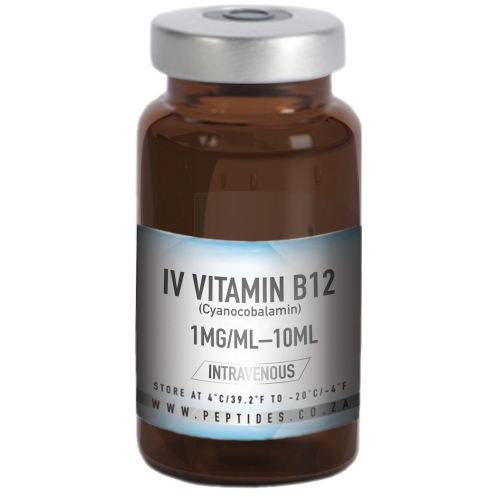
Vitamin B12 IV 1MG / ML – 10ml
R250,00 -Excl. VAT
Help your body create healthy red blood cells, metabolize food properly to promote normal energy levels, maintain your central nervous system, create the chemicals needed to support normal neurological function, improve feelings of wellbeing, decrease anxiety and depression, regulate your mood, support immune health.
Description
Description
Vitamin B12
NOTICE : INFORMATION PROVIDED BELOW ON THIS ITEM IS PURELY FOR EDUCATIONAL PURPOSES. SALE AND ADMINISTRATION OF IV BAR ITEMS IS STRICTLY LIMITED TO REGISTERED NURSES OR DOCTORS. WE DISCLAIM ANY RESPONSIBILITY FOR ANAPHYLACTIC OR OTHER LIFE-THREATENING REACTIONS RESULTING FROM THE USE OF THESE PRODUCTS. WE ALSO DO NOT GUARANTEE DOSING PROTOCOLS ON INTRAVENOUS PRODUCTS WILL BE CORRECT, AS PROFESSIONAL MEDICAL INTERVENTION IS NEEDED FOR EACH APPICATION BASED ON GOAL AND MEDICAL HISTORY. PLEASE CONSULT A MEDICAL PROFESSIONAL FOR MORE ADVICE ON THESE ITEMS.
What is Vitamin B12?
Vitamin B12, also known as cobalamin, is a water-soluble vitamin that plays a key role in various bodily functions, including the production of red blood cells, DNA synthesis, and proper nerve function. It is essential for maintaining a healthy brain, nervous system, and blood cells. Vitamin B12 is naturally found in animal products such as meat, dairy, and eggs, but can also be obtained through supplements or fortified foods.
Benefits of Vitamin B12
- Supports Energy Production:
Vitamin B12 is crucial for the production of red blood cells, which carry oxygen throughout the body. Adequate B12 levels help prevent anemia, fatigue, and weakness. It also plays a role in converting carbohydrates into glucose, providing energy for the body. - Maintains Brain and Nerve Health:
Vitamin B12 is essential for maintaining the health of the nervous system. It helps produce myelin, the protective covering around nerve fibers, which is vital for proper nerve function. Adequate levels of B12 are linked to improved cognitive function, better memory, and mood regulation. - Improves Mood and Reduces Risk of Depression:
Vitamin B12 is involved in the synthesis of serotonin, a neurotransmitter that helps regulate mood. A deficiency in B12 has been linked to an increased risk of depression, anxiety, and mood disorders. Ensuring adequate levels of B12 can promote emotional well-being. - Promotes Heart Health:
B12 plays a role in reducing homocysteine levels, an amino acid that, when elevated, can increase the risk of heart disease. By lowering homocysteine levels, vitamin B12 can contribute to a healthier cardiovascular system. - Supports Healthy Skin, Hair, and Nails:
Vitamin B12 is involved in the production of new cells, including those in the skin, hair, and nails. Adequate levels can help improve skin tone, prevent dryness, and support healthy hair growth. - Aids Digestion and Absorption of Nutrients:
Vitamin B12 helps in the absorption of nutrients from food, particularly by promoting the production of digestive enzymes. This can improve overall digestion and nutrient absorption, making it beneficial for individuals with digestive issues.
Dosage and Administration
The recommended daily intake (RDI) of vitamin B12 varies by age, gender, and life stage. Here are the general guidelines for vitamin B12 intake:
- Infants (0-6 months): 0.4 mcg
- Children (1-3 years): 0.9 mcg
- Children (4-8 years): 1.2 mcg
- Children (9-13 years): 1.8 mcg
- Teens (14-18 years): 2.4 mcg
- Adults (19 years and older): 2.4 mcg
- Pregnant women: 2.6 mcg
- Breastfeeding women: 2.8 mcg
- Supplemental Dosage:
Vitamin B12 supplements are available in a variety of forms, including tablets, capsules, sublingual lozenges, and injections. The typical supplemental dosage ranges from 500 mcg to 1,000 mcg per day, depending on individual needs and health conditions. Higher doses may be prescribed for those with B12 deficiencies or absorption issues.
Note: Always consult with a healthcare provider before starting a vitamin B12 supplement, particularly at high doses or if you have pre-existing health conditions.
Side Effects of Vitamin B12
Vitamin B12 is generally considered safe when taken at recommended doses, either through diet or supplementation. However, excessive intake, especially from supplements or injections, can cause some side effects:
- Mild Gastrointestinal Issues:
Some individuals may experience mild digestive issues, such as nausea, diarrhea, or bloating when taking B12 supplements, particularly at high doses. - Allergic Reactions:
Although rare, some individuals may experience allergic reactions to vitamin B12 supplements, including symptoms like rash, itching, swelling, or difficulty breathing. Seek medical attention immediately if these symptoms occur. - Headaches:
A few people may experience headaches after taking vitamin B12, especially in the form of high-dose supplements or injections. - Dizziness or Lightheadedness:
In rare cases, some individuals may feel dizzy or lightheaded after receiving vitamin B12 injections or taking large doses of supplements. - Skin Reactions:
Individuals who receive vitamin B12 injections may experience redness, swelling, or irritation at the injection site. These symptoms usually subside shortly after the injection. - Possible Drug Interactions:
Vitamin B12 can interact with certain medications, including those used for diabetes, such as metformin, and some medications for acid reflux. If you are taking any medications, especially long-term, consult your healthcare provider before starting B12 supplementation.
Precautions and Warnings
- Pregnancy and Breastfeeding:
Vitamin B12 is considered safe during pregnancy and breastfeeding when taken in recommended amounts. However, if you are pregnant or breastfeeding, it’s important to speak with your doctor before starting vitamin B12 supplementation. - Kidney and Liver Conditions:
Individuals with kidney or liver problems should consult with their healthcare provider before using high-dose vitamin B12 supplements or injections, as these conditions can affect the metabolism of the vitamin. - Vitamin B12 Deficiency:
If you suspect you have a vitamin B12 deficiency, it’s important to get a blood test and discuss the results with your healthcare provider. Deficiency can lead to serious health issues, including nerve damage and anemia, and may require higher doses of B12 through supplements or injections. - People with Pernicious Anemia:
Individuals with pernicious anemia, a condition that impairs the absorption of B12 in the gut, may require B12 injections or high-dose oral supplements for proper absorption.
Conclusion
Vitamin B12 is an essential nutrient that supports various functions in the body, including energy production, brain health, and red blood cell formation. It is found naturally in animal products, but supplementation can be helpful for those who are at risk of deficiency, such as vegetarians, vegans, and older adults. While vitamin B12 supplementation is generally safe, it’s important to follow recommended dosages and consult with a healthcare provider to avoid potential side effects or interactions with medications.
If you’re considering vitamin B12 supplementation, it’s crucial to determine the appropriate dose and form based on your individual needs and health conditions.
Additional information
Additional information
| Dimensions | 1 × 1 × 1 cm |
|---|