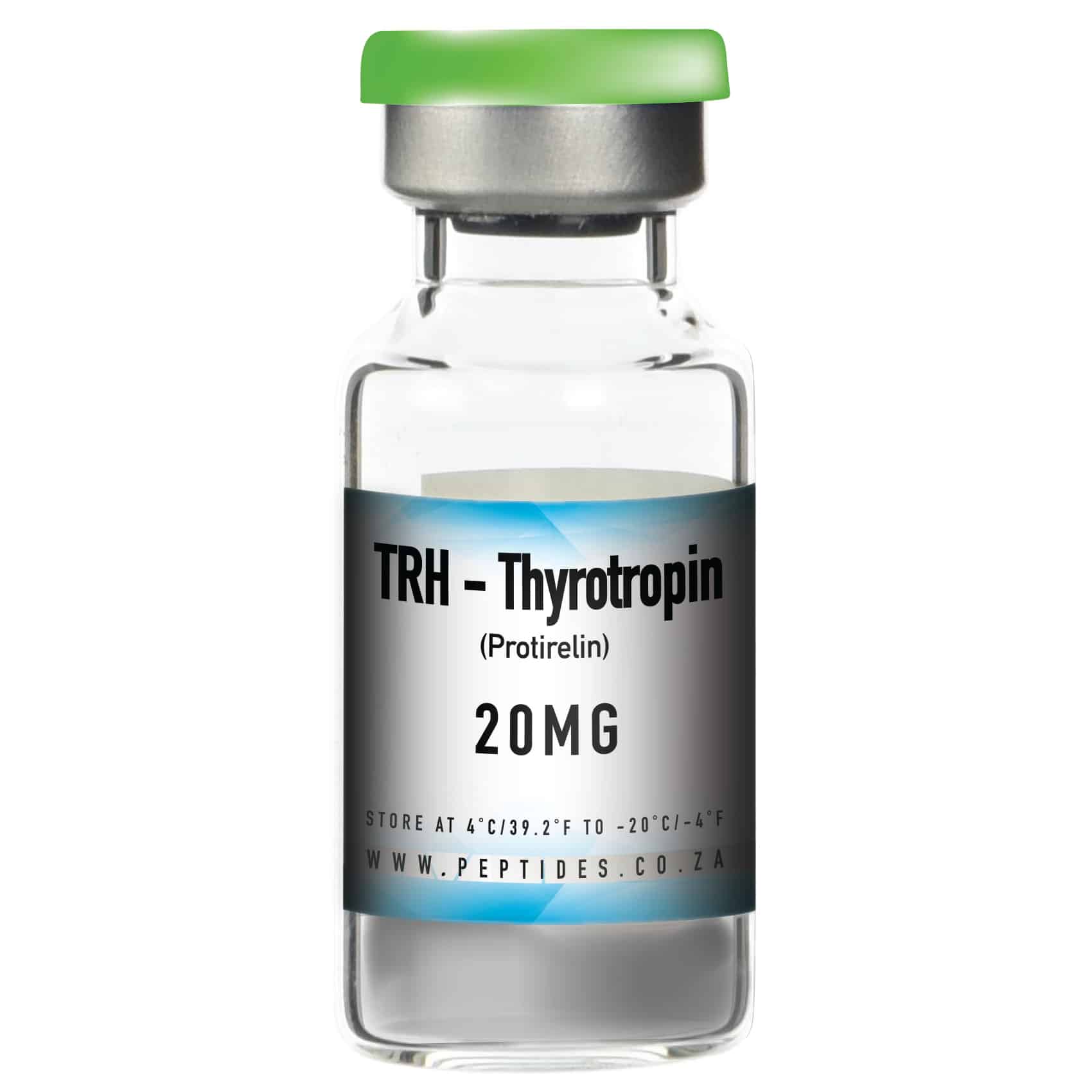
TRH Thyrotropin Protirelin Peptide Supplement – 20MG per vial
R750,00 -Excl. VAT
Anti-aging. Aids with energy balance (homeostasis), eating patterns, thermogenesis (heat production), autonomic regulation (the unconscious control of vital bodily functions)
Description
Description
TRH (Thyrotropin-Releasing Hormone) – Peptide for Thyroid Regulation
Overview
TRH (Thyrotropin-Releasing Hormone), also known as Protirelin, is a peptide hormone that plays a crucial role in regulating the thyroid gland’s function. It is primarily involved in stimulating the release of thyroid-stimulating hormone (TSH) from the pituitary gland. TRH helps to control thyroid hormone production, which is essential for regulating metabolism, energy production, and overall hormonal balance in the body. While TRH is mainly used in medical diagnostics, it is also studied for its potential therapeutic effects in managing certain thyroid conditions and improving metabolic health.
Benefits
- Stimulates Thyroid Function: TRH promotes the release of TSH from the pituitary gland, which in turn stimulates the thyroid gland to produce thyroid hormones (T3 and T4), critical for metabolism regulation.
- Supports Metabolic Health: By aiding the production of thyroid hormones, TRH helps maintain healthy metabolic processes, including energy production, fat metabolism, and regulation of body temperature.
- Diagnostic Tool: TRH is commonly used in medical settings as a diagnostic tool to assess the function of the hypothalamic-pituitary-thyroid axis and to identify certain thyroid disorders, including hypothyroidism and hyperthyroidism.
- May Improve Energy Levels: In certain cases, TRH supplementation may help restore optimal thyroid hormone levels, leading to improved energy, better mood, and enhanced physical performance.
- Potential Role in Hypothyroidism Treatment: TRH may be explored as a treatment option for individuals with hypothyroidism, a condition where thyroid hormone production is insufficient.
How It Works
TRH works by stimulating the pituitary gland to release TSH (Thyroid-Stimulating Hormone). In turn, TSH stimulates the thyroid gland to produce and release thyroid hormones—mainly T3 (triiodothyronine) and T4 (thyroxine). These hormones are essential for regulating metabolism, energy production, and the functioning of various body systems. TRH’s role is to initiate this cascade of hormonal events that ensure the thyroid gland is functioning properly. By influencing the hypothalamic-pituitary-thyroid axis, TRH helps maintain balanced thyroid hormone levels in the body.
Dosing Information
- Recommended Dosage: The typical dose of TRH varies based on the medical purpose or study being conducted. For diagnostic testing, TRH is often administered as an intravenous injection at doses ranging from 200 mcg to 500 mcg.
- Administration Method: TRH is usually administered via intravenous (IV) injection or intravenous infusion under the supervision of a healthcare provider for diagnostic purposes.
- Frequency of Use: TRH is typically used in short-term applications, particularly for diagnostic testing. For therapeutic use, dosing schedules may vary depending on individual health needs and medical supervision.
- Treatment Duration: When used for thyroid function testing, TRH is typically administered in a single dose. For long-term use, TRH should be prescribed and monitored by a healthcare professional.
- Monitoring: Regular thyroid function tests (including TSH, T3, and T4 levels) are recommended to assess the effectiveness of treatment or diagnostics.
Expected Results
- Improved Thyroid Function: Following TRH administration, individuals may experience increased TSH levels, which in turn stimulate thyroid hormone production, leading to improved thyroid function.
- Enhanced Metabolic Health: As thyroid hormones are restored or optimized, individuals may experience better energy levels, improved metabolism, and enhanced weight management.
- Diagnostic Clarity: When used as a diagnostic tool, TRH helps provide valuable information about thyroid health and can aid in the diagnosis of thyroid disorders.
- Increased Energy: Individuals with hypothyroidism may notice improvements in overall energy and mood following TRH administration, as thyroid function improves.
- Balanced Hormonal Function: By supporting thyroid hormone production, TRH helps maintain a balanced hormonal environment in the body.
Side Effects
- Common Side Effects:
- Mild headache
- Flushing or warmth at the injection site
- Nausea or dizziness
- Temporary increase in heart rate or palpitations
- Less Common Side Effects:
- Temporary drop in blood pressure
- Feeling of lightheadedness or faintness
- Mild abdominal discomfort
- Serious Side Effects (Rare):
- Severe allergic reactions, such as difficulty breathing or swelling
- Severe chest pain or arrhythmias
- Unusual changes in thyroid function, including hyperthyroidism or severe hypothyroidism
- Note: TRH should be administered under the supervision of a healthcare professional, and any adverse reactions should be reported immediately.
Warnings
- Pre-existing Thyroid Conditions: TRH should be used cautiously in individuals with known thyroid disorders, as it may affect thyroid hormone levels significantly.
- Pregnancy and Breastfeeding: The use of TRH during pregnancy and breastfeeding has not been well-studied, so it should be used only under medical supervision if necessary.
- Allergic Reactions: Individuals with a known allergy to TRH or its components should avoid using this peptide.
- Monitoring is Essential: Given its effects on thyroid hormone levels, TRH should only be used under the guidance of a healthcare professional who can monitor thyroid function during treatment.
- Short-Term Use: TRH is typically used for short-term applications, such as diagnostic testing or specific treatment regimens. Long-term use should be discussed with a healthcare provider.
Summary
TRH (Thyrotropin-Releasing Hormone) is a synthetic peptide used to regulate thyroid function by stimulating the release of thyroid-stimulating hormone (TSH) from the pituitary gland. It plays an important role in promoting the production of thyroid hormones, which are vital for metabolism, energy regulation, and overall body function. While TRH is most commonly used for diagnostic purposes, it has potential therapeutic benefits, particularly in treating thyroid imbalances like hypothyroidism. When administered under professional guidance, TRH can help restore proper thyroid function, support metabolic health, and improve energy levels. However, it is essential to use TRH with proper medical supervision and monitoring to minimize side effects and ensure safety.
Additional information
Additional information
| Dimensions | 1 × 1 × 1 cm |
|---|