
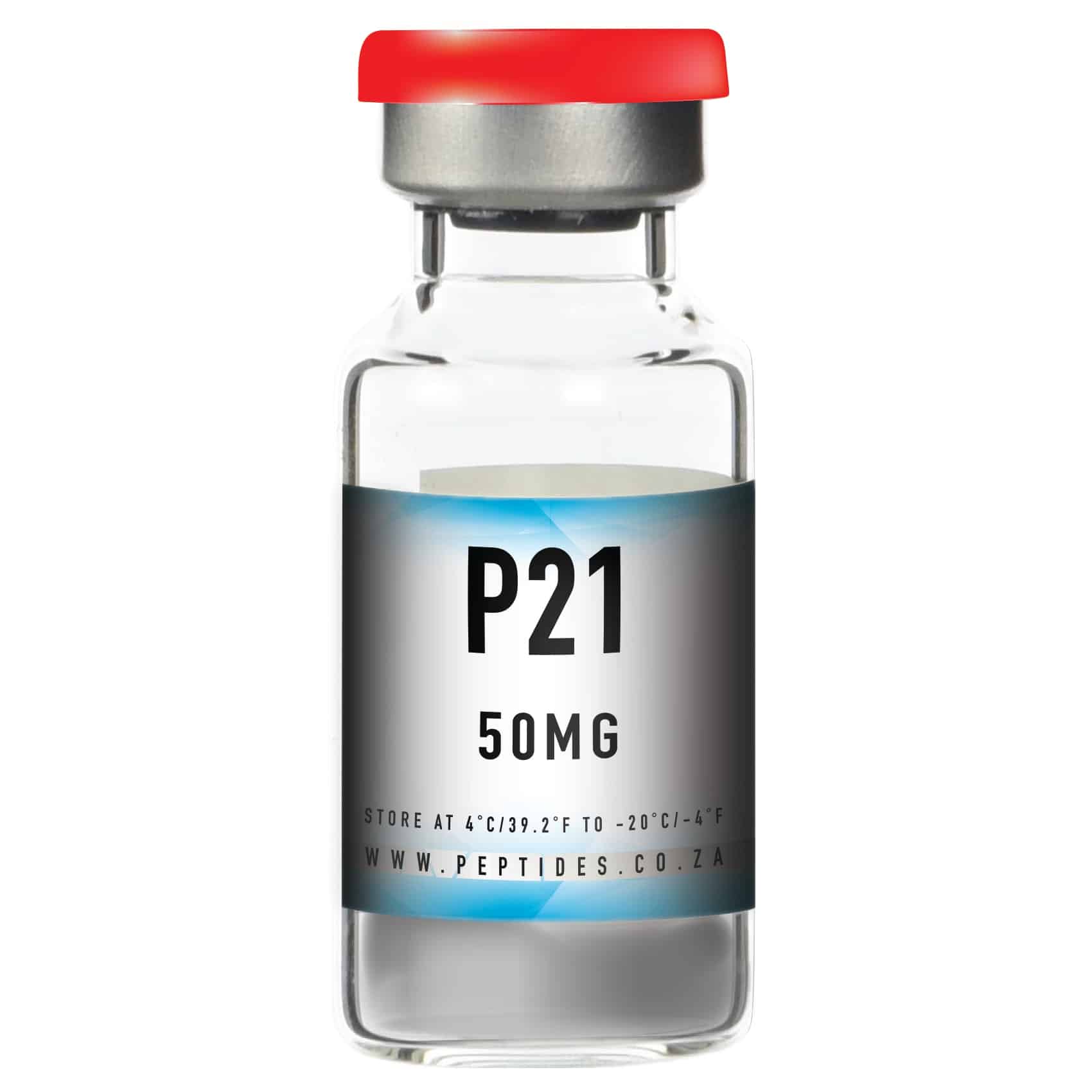
P21 Peptide Supplement – 50MG per vial
R1100,00 -Excl. VAT
Achieve the highest state of cognitive functioning. Help stroke victims recover brain function. Aid neural regeneration in the case of Alzheimer’s
Description
Description
P21 – Peptide for Cellular Health and Anti-Aging
Overview
P21 is a peptide that plays a critical role in cellular health, specifically by regulating the cell cycle and promoting cell survival. It has gained attention for its potential to extend cellular lifespan, support DNA repair, and protect against age-related diseases. As a key regulator of cell senescence and apoptosis, P21 helps prevent the uncontrolled growth of damaged cells, contributing to tissue regeneration and overall longevity. P21 is being studied for its applications in anti-aging, cellular repair, and improving overall vitality.
Benefits
- Anti-aging properties: P21 may help slow down the aging process by regulating cell turnover and promoting healthy cellular function.
- DNA repair: Plays a role in the repair of damaged DNA, which is crucial for maintaining cell integrity and preventing mutations that could lead to age-related diseases or cancer.
- Promotes cellular health: Supports the health of cells by maintaining proper cell cycle regulation and preventing premature cell death or damage.
- Enhances tissue regeneration: By reducing cellular senescence, P21 encourages the repair and regeneration of tissues, contributing to better skin, muscle, and organ health.
- Inhibits tumor growth: P21 is involved in the control of abnormal cell division, reducing the risk of cancer and other diseases caused by uncontrolled cell growth.
- Supports longevity: May promote a longer lifespan by protecting cells from stress, oxidative damage, and age-related deterioration.
How It Works
P21 functions by regulating the cell cycle and inducing cell cycle arrest in response to stress, DNA damage, or other cellular insults. By doing so, it prevents the replication of damaged cells that could potentially become cancerous. Additionally, P21 plays a role in the DNA repair process, particularly by facilitating the repair of damaged genetic material and preventing the accumulation of mutations. The peptide also helps to induce cellular senescence (the natural aging process of cells), which prevents the proliferation of dysfunctional cells. As a result, P21 promotes healthier, more resilient cells that are better able to withstand environmental and age-related stress.
Dosing (For Research and Medical Use)
- Typical dose range: 1–5 mg per day
- Frequency: Administered once per day
- Administration: Subcutaneous injection, typically in areas such as the abdomen or thighs
- Cycle duration: Commonly used for 4–8 weeks, followed by a break to assess effectiveness
- Starting dose: Begin with 1 mg per day and gradually increase based on response and therapeutic goals
- Titration: Doses may be increased to up to 5 mg per day for individuals seeking enhanced anti-aging and regenerative effects
Expected Results
- Cellular regeneration: Increased tissue repair and regeneration, particularly in skin and muscle, visible after several weeks of use
- Improved skin appearance: Reduction in signs of aging, such as wrinkles, fine lines, and sagging, after consistent use over 4–6 weeks
- Increased energy: Enhanced overall vitality and energy levels from improved cellular function
- Reduced age-related decline: Slower progression of age-related conditions such as joint degeneration, muscle loss, and cognitive decline
- Anti-cancer effects: Potential reduction in abnormal cell growth and cancer risk, as P21 helps regulate cell division and prevents the proliferation of damaged cells
Side Effects
- Generally well tolerated with few reported side effects when used at recommended doses
- Mild side effects may include:
- Injection site irritation (redness or swelling)
- Headaches or dizziness
- Fatigue or mild discomfort during the initial stages of use
- Rare side effects:
- Nausea or gastrointestinal discomfort
- Changes in mood or energy levels
- Mild fever or chills as the body adjusts
- Long-term safety is still being studied, particularly regarding the peptide’s impact on aging and longevity
Warnings
- P21 should be used under the supervision of a healthcare provider, especially for individuals with pre-existing health conditions, including cancer or autoimmune disorders
- Not recommended for pregnant or breastfeeding women without consultation with a healthcare professional
- Should not be used in individuals with hormone-sensitive conditions unless advised by a doctor
- Proper dosing and cycling are important to avoid overstimulation or desensitization of cellular mechanisms
- Always consult a healthcare provider prior to starting a P21 regimen to assess suitability and potential interactions with other treatments
Summary
P21 is a peptide with significant potential for improving cellular health, promoting anti-aging effects, and enhancing tissue regeneration. By regulating the cell cycle and supporting DNA repair, P21 helps protect against cellular damage and age-related diseases. It is used for its regenerative benefits, particularly for improving skin, muscle, and overall organ health. While generally safe, P21 should be used under medical supervision to ensure proper dosing and minimize potential side effects, making it a valuable tool in longevity and anti-aging therapies.
Additional information
Additional information
| Dimensions | 1 × 1 × 1 cm |
|---|
Reviews (0)
Reviews
There are no reviews yet.