
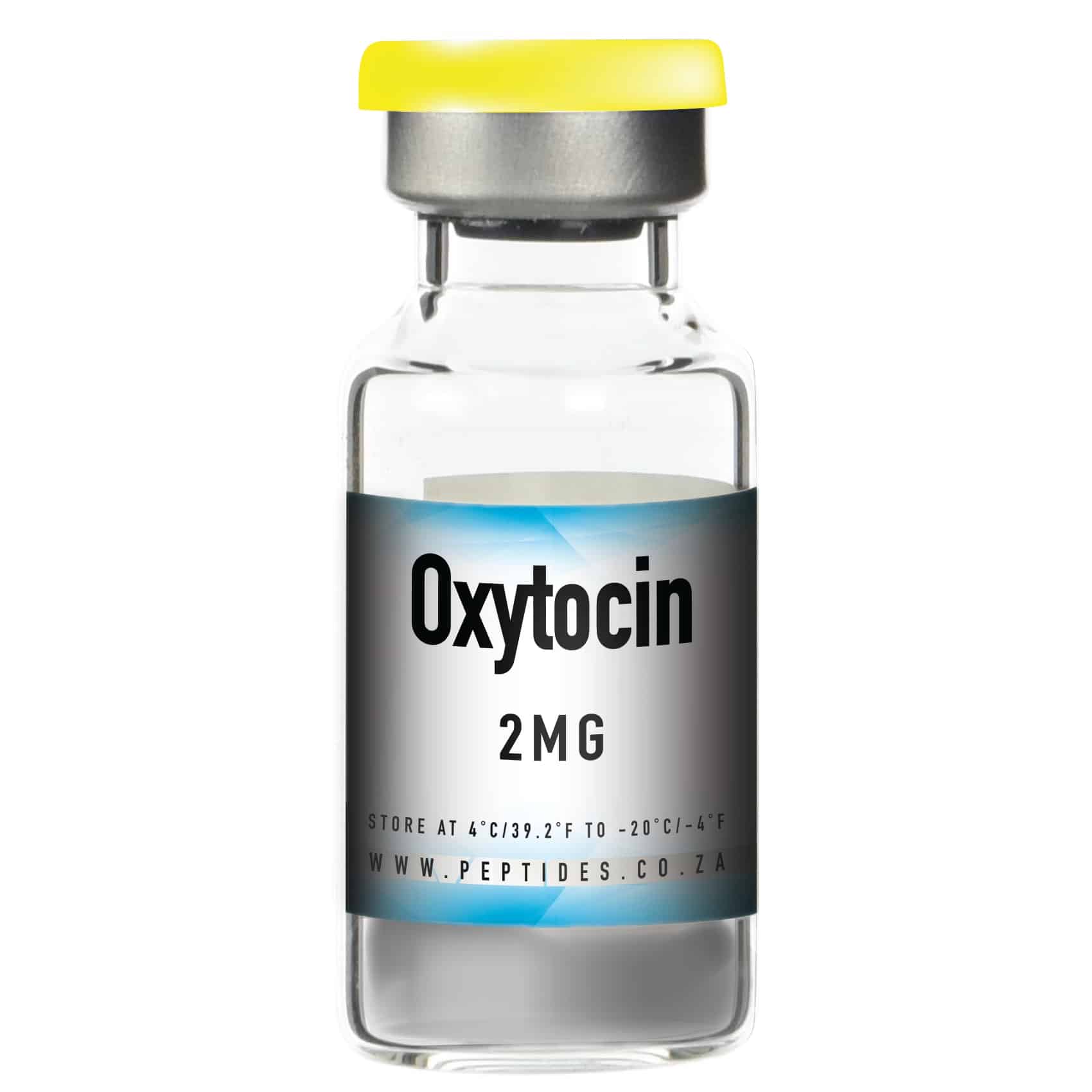
Oxytocin Peptide Supplement – 2MG per vial
R325,00 -Excl. VAT
Regulate reproduction functions. Effects on emotion – Psychological stability. Build connections. Affects mood. Builds trust. Lowers anxiety. Lowers stress
Description
Description
Oxytocin – Peptide for Social Bonding, Emotional Health, and Reproductive Support
Overview
Oxytocin is a naturally occurring peptide hormone that plays a significant role in social bonding, emotional regulation, and reproductive processes. Often referred to as the “love hormone” or “bonding hormone,” oxytocin is released during activities such as childbirth, breastfeeding, and intimate moments. It is known for its positive effects on mood, trust, and social interactions, making it a key player in relationships and emotional health. Oxytocin is also explored for its potential in managing anxiety, depression, and promoting overall well-being.
Benefits
- Social bonding: Oxytocin promotes feelings of trust, empathy, and connection, enhancing relationships and social interactions.
- Emotional well-being: It is associated with improved mood, reduced stress, and better emotional regulation.
- Promotes childbirth and lactation: Oxytocin helps stimulate uterine contractions during labor and facilitates milk ejection during breastfeeding.
- Reduces anxiety: Studies suggest that oxytocin can have anxiolytic effects, helping reduce feelings of stress and anxiety.
- Improves interpersonal relationships: By increasing feelings of bonding and connection, oxytocin may improve romantic relationships, friendships, and social cohesion.
- Potential therapeutic applications: It is being studied for its ability to help manage conditions such as autism spectrum disorder (ASD), post-traumatic stress disorder (PTSD), and social anxiety.
How It Works
Oxytocin acts by binding to specific receptors in the brain and various body tissues, particularly the uterus and mammary glands. It plays a crucial role in childbirth by stimulating uterine contractions and helping to expel the baby. During breastfeeding, oxytocin facilitates the ejection of milk from the mammary glands. In the brain, oxytocin affects regions associated with emotional regulation, social bonding, and stress reduction. By promoting the release of dopamine and serotonin, oxytocin helps elevate mood and foster feelings of connection and happiness.
Dosing (For Research and Medical Use)
- Typical dose range: 10–50 IU per day, depending on the purpose and individual needs
- Frequency: Typically administered once per day, but can be adjusted based on goals (e.g., emotional regulation, anxiety reduction, labor induction)
- Administration: Available as a nasal spray, subcutaneous injection, or intravenous infusion, with nasal sprays being most common for non-medical purposes
- Cycle duration: Oxytocin is often used intermittently, depending on the individual’s needs and health goals
- Starting dose: Begin with 10–20 IU per day and adjust based on response and desired results
- Titration: Doses may be increased gradually based on therapeutic goals (e.g., mood enhancement, anxiety management, or social bonding)
Expected Results
- Improved emotional connection: Increased feelings of trust, empathy, and connection with others, often seen within a few days to a week of use
- Reduced anxiety and stress: Lowered anxiety levels, particularly in social situations, may be experienced within 1–2 weeks
- Enhanced relationships: Better communication, improved intimacy, and a deeper sense of emotional bonding in romantic and social relationships after consistent use
- Mood improvement: Increased happiness, reduced symptoms of depression, and a general sense of well-being may become noticeable within a few weeks
- Support during childbirth and breastfeeding: For those using oxytocin in medical settings, it can facilitate labor and improve milk production and flow
Side Effects
- Generally well tolerated when used correctly, especially at lower doses
- Mild side effects may include:
- Nausea or dizziness
- Headaches
- Temporary irritation at the administration site (for injections or nasal sprays)
- Rare side effects may include:
- Excessive uterine contractions (if used for labor induction)
- Water retention or low blood pressure
- Allergic reactions, including skin rashes or swelling
- Long-term safety is still being studied, particularly when used outside medical settings or at high doses
Warnings
- Oxytocin should be used under medical supervision, particularly in individuals with pre-existing cardiovascular, kidney, or uterine conditions
- Not recommended for pregnant or breastfeeding women outside of medical supervision for childbirth or lactation purposes
- Should be avoided by individuals with a history of certain health issues such as uterine complications or severe allergies to the peptide
- Overuse of oxytocin, especially in non-medical settings, may lead to overstimulation or unintended effects on mood and social behaviors
- Not suitable for use in individuals with certain psychiatric conditions, including those with a history of hormone-sensitive disorders
Summary
Oxytocin is a powerful peptide hormone with a wide range of benefits, including improving social bonding, emotional health, and reproductive support. It promotes feelings of trust, empathy, and connection, making it useful in enhancing relationships, reducing anxiety, and supporting emotional regulation. Oxytocin also plays a critical role in childbirth and lactation, facilitating uterine contractions and milk ejection. While generally safe and well tolerated, it should be used under medical supervision to ensure proper dosing and minimize potential side effects.
Additional information
Additional information
| Dimensions | 1 × 1 × 1 cm |
|---|
Reviews (0)


Reviews
There are no reviews yet.