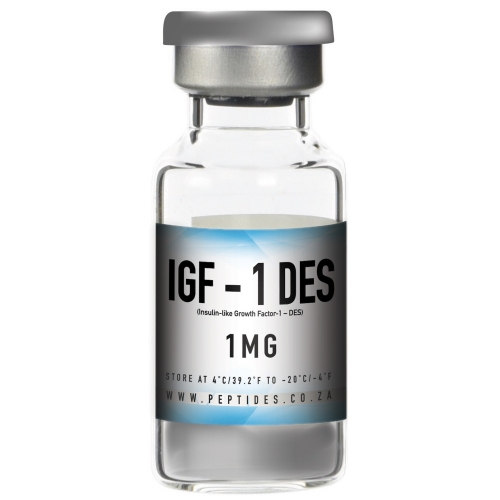
IGF-1 DES Peptide Supplement – 1MG per vial
R1200,00 -Excl. VAT
Mass muscle growth. Increases nutrient shuttling (aka protein synthesis). Increased regenerative functions of nerve tissues and the ability to cause hyperplasia in muscle cells resulting in fuller muscle tissue
Description
Description
IGF-1 DES – Insulin-Like Growth Factor for Muscle Growth and Healing
Overview
IGF-1 DES (Insulin-Like Growth Factor 1 Des) is a modified form of the naturally occurring IGF-1 hormone, which plays a crucial role in growth, muscle development, and tissue repair. Unlike regular IGF-1, IGF-1 DES is shorter in structure, making it more potent and quicker acting in promoting muscle growth and recovery. IGF-1 DES is primarily used in sports, bodybuilding, and research contexts to enhance muscle mass, aid in recovery, and support tissue repair after injury. It is also explored for its potential to improve overall metabolic health.
Benefits
- Promotes muscle growth: IGF-1 DES is highly effective in stimulating muscle cell growth and promoting hypertrophy. It helps enhance protein synthesis, leading to increased muscle mass and strength.
- Aids in tissue repair: The peptide accelerates the repair of damaged tissues, making it valuable for post-workout recovery and the healing of injuries.
- Improves recovery time: IGF-1 DES shortens recovery times by promoting faster tissue regeneration, reducing downtime after intense physical exertion or injury.
- Boosts fat loss: By enhancing metabolism and protein synthesis, IGF-1 DES may also support fat burning and fat-free muscle gain.
- Supports overall growth: IGF-1 DES can promote general tissue regeneration and healing, which benefits not just muscles, but also bones, skin, and internal organs.
- Improves joint health: Some users report enhanced joint repair, reducing pain and discomfort associated with overtraining or injury.
How It Works
IGF-1 DES works by binding to specific receptors on muscle cells, stimulating them to grow and repair. It enhances the effects of growth hormone (GH) and plays a key role in increasing the uptake of amino acids into muscle cells, which is essential for protein synthesis and muscle growth. The peptide acts quickly due to its shortened structure, which allows it to have a more immediate impact compared to regular IGF-1. It also has tissue-specific effects, which means it is more targeted in its action, promoting muscle growth and repair while potentially reducing fat accumulation.
Dosing (For Research and Medical Use)
- Typical dosage: 0.1–0.3 mg per day
- Administration: IGF-1 DES is typically administered via subcutaneous injection.
- Injection frequency: The peptide is usually injected once daily or up to 5 times a week, depending on individual goals and desired effects.
- Cycle length: A typical cycle lasts between 4–6 weeks, though longer cycles may be used depending on specific needs and goals.
- Starting dose: A common starting dose is around 0.1 mg per day for beginners, with gradual increases based on response.
- Dose adjustments: Some users may increase the dosage up to 0.3 mg per day for more pronounced effects, but it’s crucial to monitor progress and side effects carefully.
Expected Results
- Increased muscle mass: Enhanced muscle growth and hypertrophy, leading to greater muscle definition and strength gains.
- Faster recovery: Reduced recovery time between workouts, with faster healing of muscle tissues and injuries.
- Improved performance: Enhanced endurance and performance in athletic activities due to better muscle regeneration and strength.
- Fat loss: Possible reduction in body fat, especially when combined with proper exercise and diet, as IGF-1 DES can help improve metabolism.
- Tissue regeneration: Users may experience enhanced healing in areas like joints, ligaments, and tendons, leading to better overall physical health and mobility.
Side Effects
- Common side effects:
- Mild injection site irritation or redness
- Headaches or dizziness
- Water retention or bloating
- Muscle soreness or stiffness (especially when first starting)
- Less common side effects:
- Joint pain or discomfort (due to rapid muscle growth)
- Changes in appetite or digestive issues
- Fatigue or tiredness
- Serious side effects (rare):
- Overuse can lead to hypoglycemia (low blood sugar) due to excessive growth effects
- Uncontrolled growth of tissue or organs (if misused or overused)
- Allergic reactions such as rash, swelling, or difficulty breathing
- Most side effects are temporary and may subside as the body adjusts to the peptide. Reducing the dose or adjusting the injection frequency can often alleviate these issues.
Warnings
- IGF-1 DES should be used cautiously in individuals with a history of diabetes or insulin resistance, as it can influence blood sugar levels.
- It is not recommended during pregnancy or breastfeeding, as the effects of IGF-1 on fetal development are not well understood.
- Regular monitoring of blood glucose levels is advisable to prevent the risk of hypoglycemia.
- Individuals with any form of cancer or a history of abnormal cell growth should avoid using IGF-1 DES, as the peptide may accelerate tissue proliferation.
- Always consult with a healthcare provider before starting IGF-1 DES, especially if you have underlying health conditions, are taking other medications, or are planning to use it for long-term purposes.
Summary
IGF-1 DES is a powerful peptide that offers numerous benefits for muscle growth, tissue repair, and recovery. It is widely used in sports, bodybuilding, and research to enhance muscle mass, reduce fat, and improve overall physical performance. The peptide’s ability to stimulate rapid muscle regeneration and repair makes it highly effective for both athletic performance and recovery. However, it is important to follow proper dosing guidelines and consult a healthcare provider to avoid potential side effects and ensure the best results. Regular monitoring of blood glucose levels and overall health is recommended during use.
Additional information
Additional information
| Dimensions | 1 × 1 × 1 cm |
|---|