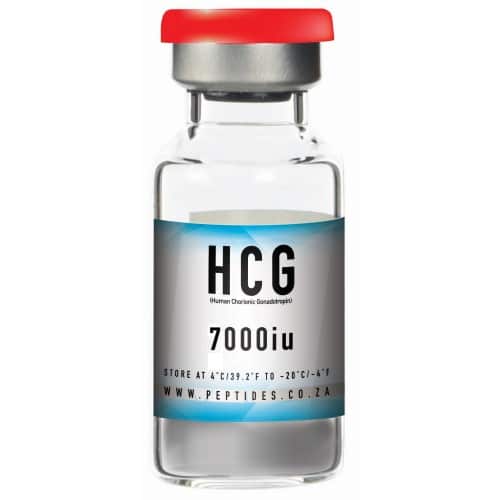
hCG – Human Chorionic Gonadotropin for Hormonal Support and Weight Management
Overview
Human Chorionic Gonadotropin (hCG) is a hormone that is naturally produced during pregnancy, mainly by the placenta. It has essential roles in reproductive health and is commonly used in fertility treatments. Beyond its use in fertility, hCG has also become popular in weight loss protocols, particularly when combined with a low-calorie diet. It is believed to help maintain muscle mass while promoting fat loss during calorie restriction.
Benefits
- Assists with weight loss, particularly when paired with a reduced-calorie diet
- Stimulates testosterone production in men, supporting energy levels and muscle growth
- Helps regulate reproductive hormones in both men and women
- Promotes ovulation in women and supports sperm production in men for fertility treatment
- May help improve metabolic function and overall hormonal balance
How It Works
hCG mimics the action of luteinizing hormone (LH) in the body, which plays a key role in hormone production. In women, hCG promotes ovulation and the production of progesterone. In men, it stimulates the testes to produce more testosterone, which can enhance libido and muscle mass. When used for weight loss, hCG is thought to preserve muscle mass while encouraging fat breakdown, especially when combined with a very low-calorie diet.
Dosing (For Research and Medical Use)
- Typical dose for weight loss: 125–200 IU daily
- Typical dose for fertility treatment: 1,000–5,000 IU, depending on the patient’s needs
- Frequency: Administered as a subcutaneous injection, typically once a day or every other day
- Administration sites: Commonly injected into the abdomen, thighs, or upper arms
- Cycle length for weight loss: Typically 3–6 weeks, depending on individual response
- Cycle length for fertility: Varies depending on the fertility protocol used
For weight loss, hCG is usually combined with a very low-calorie diet (typically 500–800 calories/day) to maximize fat loss.
Expected Results
- Weight loss effects are often seen within the first week when used with a restricted-calorie diet
- Fertility improvements may take one to two treatment cycles to manifest, depending on individual response
- Energy levels, reduced fat, and increased muscle tone may be noticeable throughout the cycle
- Men may experience improved testosterone levels, higher energy, and increased libido
- Full fertility and weight management benefits may take several weeks or cycles to fully develop
Side Effects
- Generally safe when used under proper medical supervision
- Possible mild side effects include:
- Bloating, mild water retention, or headaches
- Injection site irritation or redness
- Rare but serious side effects:
- Ovarian hyperstimulation syndrome (in women undergoing fertility treatment)
- Mood changes, irritability, or swelling at the injection site
- Increased risk of blood clots with improper use or high doses
- Prolonged or excessive use can disrupt the body’s natural hormonal balance
Warnings
- hCG is a prescription hormone and should be administered under medical supervision
- Not suitable for pregnant women as it is naturally produced during pregnancy
- Individuals with certain types of cancer or hormone-related health issues should avoid its use
- Women not actively trying to conceive should only use hCG with proper medical guidance
- The long-term safety of using hCG for weight loss is still being studied
Summary
hCG is a hormone used in fertility treatments and weight loss protocols. It supports the body’s hormone production, which can enhance reproductive health and metabolic function. While it has been effective for promoting weight loss when combined with a calorie-restricted diet, it should be used with care and under a healthcare provider’s supervision. hCG is also vital in fertility treatments, helping women ovulate and supporting testosterone production in men.