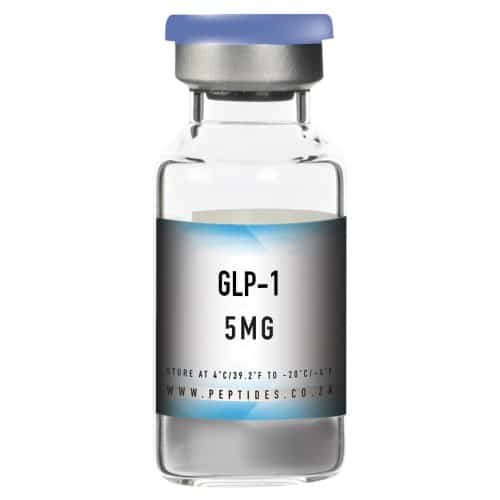
GLP-1 – Peptide Supplement – 5MG per vial
R1650,00 -Excl. VAT
Lower blood sugar levels, enhance insulin secretion, improve heart, liver, and lung function while helping to slow or prevent the effects of Alzheimer’s disease. Decrease appetite by delaying gastric emptying and reducing intestinal motility. Reduce weight gain
Description
Description
Semaglutide – GLP-1 Agonist for Weight Management and Blood Sugar Control
Overview
Semaglutide is a synthetic peptide that mimics the natural hormone GLP-1 (glucagon-like peptide-1), which plays a crucial role in regulating blood sugar, insulin secretion, and appetite. Initially developed for managing type 2 diabetes, semaglutide has also been shown to aid in weight loss and support overall metabolic health. It helps reduce hunger, regulate blood sugar levels, and improve insulin sensitivity.
Benefits
- Helps reduce appetite and support weight loss
- Improves insulin sensitivity and blood sugar control
- Lowers the risk of cardiovascular diseases by improving metabolic health
- Increases feelings of fullness and reduces cravings
- Potential benefits for liver health by reducing fat accumulation
How It Works
Semaglutide works by activating GLP-1 receptors, which have several key effects:
- Appetite control – It reduces hunger and promotes a feeling of satiety, leading to lower food intake.
- Blood sugar regulation – Enhances insulin release in response to high blood sugar levels and inhibits glucagon secretion, reducing the release of glucose from the liver.
- Slows digestion – By delaying gastric emptying, it prolongs feelings of fullness and helps with better blood sugar management.
These combined effects support weight management, improved blood sugar levels, and better metabolic health.
Dosing (For Research and Medical Use)
- Typical dose range: 0.25 mg to 1 mg weekly
- Frequency: Once a week via subcutaneous injection
- Administration: Injection in areas like the abdomen, thigh, or upper arm
- Treatment duration: Usually used for ongoing weight management or diabetes control
- Starting dose: Typically begins at 0.25 mg per week, with gradual increases as tolerated
- Dose escalation: Can increase to 0.5 mg or 1 mg per week based on individual response and needs
Expected Results
- Reduced appetite and cravings may be noticed within the first few weeks
- Weight loss typically begins within 4–6 weeks of consistent use
- Improvements in blood sugar control and insulin sensitivity can be seen early
- Continued use may lead to steady weight loss, enhanced metabolic health, and reduced diabetes-related risks
Side Effects
- Common side effects include:
- Nausea, vomiting, or stomach discomfort
- Bloating, constipation, or diarrhea
- Mild headaches
- Less common side effects:
- Redness or irritation at the injection site
- Risk of low blood sugar (hypoglycemia), especially if used with other diabetes medications
- Fatigue or dizziness
- Rare but serious side effects:
- Pancreatitis (inflammation of the pancreas)
- Kidney function impairment
Warnings
- Semaglutide should only be used under medical supervision
- Not recommended during pregnancy or breastfeeding
- Individuals with a history of thyroid issues, pancreatitis, or gastrointestinal problems should consult a healthcare provider before use
- Long-term safety for certain populations, such as those with cardiovascular diseases, is still being studied
Summary
Semaglutide is a GLP-1 agonist used to manage weight loss and improve metabolic health by reducing appetite, enhancing insulin sensitivity, and regulating blood sugar levels. It is administered weekly through subcutaneous injection and is effective for both weight management and diabetes control. While generally well tolerated, semaglutide should be monitored for potential side effects, and its use should be overseen by a healthcare provider.
Additional information
Additional information
| Dimensions | 1 × 1 × 1 cm |
|---|