
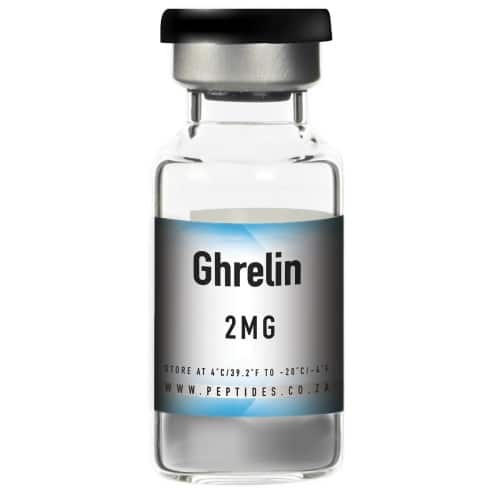
Ghrelin Peptide Supplement – 2MG per vial
R1250,00 -Excl. VAT
Stimulates appetite, increases food intake and promotes fat storage. Neurohumoral regulation, such as metabolic homeostasis, inflammation, cardiovascular regulation, anxiety and depression, and advanced cancer cachexia
Description
Description
Ghrelin – Peptide for Appetite Regulation and Growth Hormone Release
Overview
Ghrelin is a naturally occurring peptide hormone that plays a vital role in regulating appetite, energy balance, and growth hormone secretion. Often referred to as the “hunger hormone,” ghrelin stimulates appetite and promotes food intake by acting on the brain’s hunger centers. In addition to its role in appetite regulation, ghrelin has been shown to stimulate the release of growth hormone, making it important for metabolic processes, muscle building, and fat storage. Ghrelin is used both in research settings and as a therapeutic peptide in cases where appetite regulation and growth hormone release need to be modulated.
Benefits
- Stimulates appetite: Ghrelin is known for its ability to increase hunger and promote food intake, making it beneficial for individuals looking to gain weight or those with conditions that result in a reduced appetite.
- Promotes growth hormone release: Ghrelin stimulates the pituitary gland to release growth hormone, which plays a key role in muscle growth, fat metabolism, and overall health.
- Helps with muscle growth: By promoting the release of growth hormone, ghrelin can support muscle development, helping individuals who aim to increase lean muscle mass.
- Supports fat metabolism: Growth hormone, which is triggered by ghrelin, helps break down fat and aids in the efficient use of energy.
- Improves overall metabolism: Ghrelin’s role in growth hormone release contributes to a healthy metabolic rate, promoting better energy utilization and fat storage balance.
How It Works
Ghrelin works by binding to receptors in the brain and stimulating the hypothalamus to increase hunger and food intake. It also activates the pituitary gland to release growth hormone, which promotes muscle growth and fat breakdown. The peptide’s influence on both hunger and growth hormone makes it essential for maintaining a balance between energy intake, metabolism, and body composition. Ghrelin is typically released when the stomach is empty, signaling to the body that it needs more food. Additionally, it is involved in energy regulation, supporting the body in periods of fasting or increased physical exertion.
Dosing (For Research and Medical Use)
- Typical dosage range: 0.1–1 mg per day
- Administration: Ghrelin is typically administered via subcutaneous or intravenous injection.
- Injection frequency: Ghrelin injections are usually given once a day or a few times per week, depending on individual goals and therapeutic needs.
- Cycle length: For performance enhancement or appetite regulation, ghrelin cycles often last 4–6 weeks, followed by breaks.
- Starting dose: A common starting dose is 0.1 mg per day, though this can be adjusted based on the desired effect.
- Dose adjustments: The dosage can be adjusted to suit individual needs, with higher doses typically being used for growth hormone stimulation or appetite enhancement.
Expected Results
- Increased appetite: Users may experience heightened feelings of hunger, which can be beneficial for individuals looking to increase food intake or address appetite-related issues.
- Improved muscle growth: Enhanced growth hormone release leads to better muscle development, especially when combined with a proper strength training program.
- Fat loss: Ghrelin’s stimulation of growth hormone release helps improve fat metabolism, leading to reduced body fat over time.
- Faster recovery: The peptide’s role in muscle growth and metabolism can result in quicker recovery times after exercise or physical exertion.
- Improved metabolic function: Ghrelin’s influence on energy regulation can lead to more efficient use of calories and a better overall metabolic rate.
Side Effects
- Common side effects:
- Increased hunger or food cravings
- Mild injection site irritation or redness
- Headaches or dizziness
- Less common side effects:
- Gastrointestinal discomfort, such as bloating or nausea
- Fatigue or drowsiness
- Serious side effects (rare):
- Allergic reactions, including rash, swelling, or difficulty breathing
- Significant weight gain or unexpected changes in appetite
- Side effects are generally mild and temporary, resolving with adjustments to dosage or cessation of treatment.
Warnings
- Ghrelin should be used with caution in individuals with eating disorders or those who are at risk of developing unhealthy eating habits.
- Not recommended for use in pregnant or breastfeeding women unless prescribed by a healthcare provider.
- Individuals with a history of metabolic disorders or hormone-sensitive conditions should consult a healthcare professional before using ghrelin.
- Regular monitoring of body weight, appetite, and metabolic health is recommended during use.
- Always consult with a healthcare provider before starting treatment, particularly if you have any pre-existing medical conditions or are on medications that may interact with ghrelin.
Summary
Ghrelin is a peptide hormone that regulates appetite and stimulates the release of growth hormone, playing a key role in muscle growth, fat metabolism, and overall energy balance. Its ability to enhance appetite and support muscle development makes it beneficial for individuals looking to increase muscle mass, improve metabolic function, or address appetite-related issues. While the peptide offers several advantages, it should be used with care and under medical supervision, especially for individuals with underlying health conditions. Regular monitoring and proper dosing are essential for maximizing benefits and minimizing potential side effects.
Additional information
Additional information
| Dimensions | 1 × 1 × 1 cm |
|---|
Reviews (0)
Reviews
There are no reviews yet.