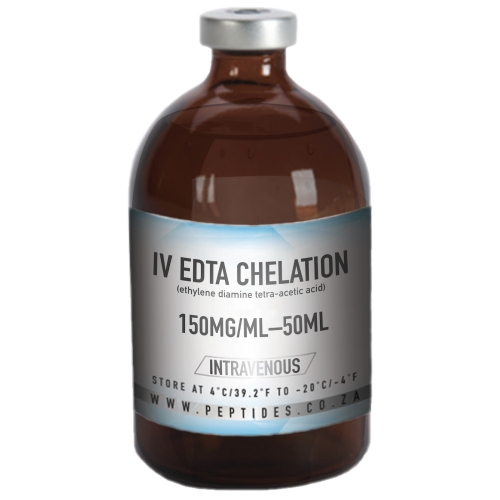
EDTA Chelation IV 150MG / ML – 50ml
R425,00 -Excl. VAT
Alzheimer’s disease, angina, high blood pressure, high cholesterol, multiple sclerosis, peripheral artery disease, rheumatoid arthritis, band Keratopathy.
Description
Description
Disodium EDTA (Disodium Ethylenediaminetetraacetate)
NOTICE : INFORMATION PROVIDED BELOW ON THIS ITEM IS PURELY FOR EDUCATIONAL PURPOSES. SALE AND ADMINISTRATION OF IV BAR ITEMS IS STRICTLY LIMITED TO REGISTERED NURSES OR DOCTORS. WE DISCLAIM ANY RESPONSIBILITY FOR ANAPHYLACTIC OR OTHER LIFE-THREATENING REACTIONS RESULTING FROM THE USE OF THESE PRODUCTS. WE ALSO DO NOT GUARANTEE DOSING PROTOCOLS ON INTRAVENOUS PRODUCTS WILL BE CORRECT, AS PROFESSIONAL MEDICAL INTERVENTION IS NEEDED FOR EACH APPICATION BASED ON GOAL AND MEDICAL HISTORY. PLEASE CONSULT A MEDICAL PROFESSIONAL FOR MORE ADVICE ON THESE ITEMS.
What is Disodium EDTA?
Disodium EDTA is a chelating agent, a substance that binds to metals in the body and helps remove them. It is primarily used in medicine to treat heavy metal poisoning, such as lead, mercury, and arsenic toxicity. Disodium EDTA also has applications in various medical treatments, including improving circulation by potentially reducing calcium buildup in arteries.
Benefits of Disodium EDTA
- Treatment for Heavy Metal Poisoning:
Disodium EDTA is most commonly used for chelation therapy to treat poisoning from heavy metals like lead, mercury, and arsenic. By binding to these harmful metals, EDTA helps the body eliminate them, reducing toxicity and preventing further organ damage. - Cardiovascular Support:
Disodium EDTA is sometimes used in chelation therapy to remove excess calcium deposits from the blood vessels, which may help improve blood flow and reduce the risk of cardiovascular diseases such as atherosclerosis. - Kidney Function Improvement:
In certain cases, disodium EDTA can help reduce the toxic load on the kidneys, especially in patients with chronic kidney disease. By removing harmful metals, it may reduce the strain on these vital organs. - Antioxidant Properties:
EDTA has antioxidant effects, which could help protect cells from damage caused by free radicals. Some believe that it may have potential anti-aging benefits, although more research is needed to confirm these claims.
Dosage and Administration
The dosage of disodium EDTA can vary depending on the treatment purpose and the method of administration. Below are the typical dosages:
- Intravenous (IV) Treatment:
For intravenous chelation therapy, the typical dosage of disodium EDTA is between 3-5 grams per session. This dose is usually infused slowly over a period of 3-4 hours. Depending on the individual’s health condition, the treatment may be repeated over several sessions. - Oral Supplementation:
Disodium EDTA is available in oral forms, usually in 500 mg to 1,000 mg capsules or tablets. The general recommended dosage is 1-2 capsules daily, taken with meals. The exact dosage should be tailored to the individual’s needs, and it’s essential to follow a healthcare provider’s guidance.
Note: Always consult with a healthcare provider before starting disodium EDTA therapy, especially if you’re considering intravenous treatment or long-term use.
Side Effects of Disodium EDTA
While disodium EDTA is generally considered safe for short-term use, it may cause side effects in some individuals. Common side effects include:
- Nausea and Vomiting:
Some people may experience nausea or vomiting, particularly during or after intravenous treatments. - Headaches:
Headaches are a possible side effect, especially with chelation therapy. - Dizziness or Low Blood Pressure (Hypotension):
Disodium EDTA, particularly when given intravenously, can cause a drop in blood pressure, leading to dizziness or fainting. - Fatigue:
Many people feel tired or weak after treatment, especially following multiple chelation sessions. - Kidney Damage:
Although rare, long-term or excessive use of disodium EDTA may put stress on the kidneys and contribute to kidney damage. This is especially important for individuals with pre-existing kidney conditions. Kidney function should be monitored during prolonged use. - Mineral Deficiencies:
EDTA binds to essential minerals like calcium, magnesium, and zinc. Prolonged use of disodium EDTA may lead to mineral deficiencies, which can affect overall health. It’s important to monitor mineral levels and consider supplementation as needed. - Allergic Reactions:
Some people may experience allergic reactions to disodium EDTA, which can include skin rashes, itching, or more severe reactions like difficulty breathing. If any of these symptoms occur, seek medical attention immediately.
Precautions and Warnings
- Kidney Health:
People with existing kidney conditions should use disodium EDTA cautiously, as it can exacerbate kidney problems. Monitoring of kidney function is advised during treatment. - Pregnancy and Breastfeeding:
The safety of disodium EDTA during pregnancy and breastfeeding is not well-established. It should only be used if the potential benefits outweigh the risks, and only under a doctor’s supervision. - Electrolyte Imbalance:
Long-term use of disodium EDTA may lead to an imbalance in electrolytes, particularly calcium, magnesium, and zinc. Regular monitoring and supplementation may be required. - Allergic Reactions:
If you have a known allergy to EDTA or any of its components, avoid using disodium EDTA. Notify your healthcare provider of any allergies before beginning treatment.
Conclusion
Disodium EDTA is an effective chelating agent used to treat heavy metal poisoning and may have benefits for cardiovascular health and detoxification. While generally safe for short-term use, it is important to follow dosing guidelines and consult with a healthcare provider, especially for intravenous treatments or long-term use. Monitoring for side effects such as mineral deficiencies, kidney function, and blood pressure is essential for safe use.
Always consult with your healthcare provider to ensure that disodium EDTA is suitable for your specific health needs.
Additional information
Additional information
| Dimensions | 1 × 1 × 1 cm |
|---|