
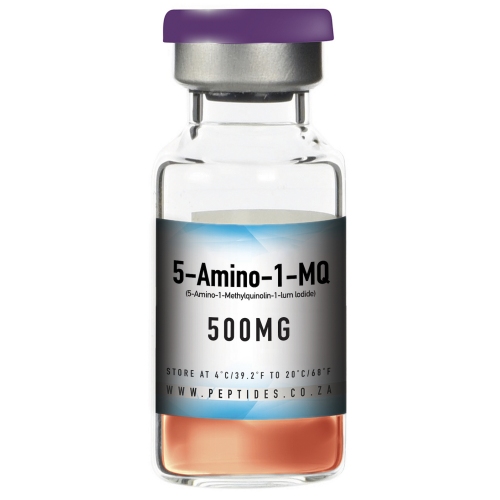
5-Amino 1-MQ Peptide Supplement – 500MG per vial
R1250,00 -Excl. VAT
Strong obesity helper. Lowers cholesterol. Improves cellular energy. Reduces inflammation. Long-lasting increases in NAD+ levels
Out of stock
Compare
Description
Description
5-Amino-1MQ
5-Amino-1MQ (5-amino-1-methylquinolinium) is a synthetic small molecule often discussed alongside peptides due to its use in metabolic and longevity-focused research. Despite this association, it is not a peptide. Its primary function is the inhibition of nicotinamide N-methyltransferase (NNMT), an enzyme that plays a role in cellular energy regulation and metabolic processes.
NNMT is responsible for converting nicotinamide (a form of vitamin B3) into 1-methylnicotinamide, which reduces the amount of nicotinamide available for NAD+ (nicotinamide adenine dinucleotide) production. By inhibiting NNMT, 5-Amino-1MQ helps maintain higher NAD+ levels within cells. NAD+ is essential for mitochondrial function, energy production, and cellular repair, making it a central component in metabolic health and aging research.
Benefits
Research into 5-Amino-1MQ is still in early stages, primarily involving laboratory and animal studies. However, several potential benefits have been identified:
- Enhanced energy metabolism: Increased NAD+ availability may improve mitochondrial efficiency and overall cellular energy production.
- Support for fat loss: Studies suggest it may reduce fat accumulation and decrease the size of adipocytes without suppressing appetite.
- Improved insulin sensitivity: NNMT inhibition may contribute to better glucose regulation and metabolic balance.
- Longevity and cellular health: Higher NAD+ levels can activate sirtuins and other enzymes involved in DNA repair and aging processes.
- Increased physical energy: Some experimental observations report improved endurance and reduced fatigue.
Dosing and Administration
There are no approved medical dosing guidelines for 5-Amino-1MQ, as it remains an experimental compound. Commonly referenced research and anecdotal protocols include:
- Typical dose: 50–100 mg per day
- Starting dose: 25–50 mg daily to assess individual tolerance
- Higher range: up to 150 mg per day in certain experimental settings
- Administration method: usually taken orally, often with food to aid absorption
- Cycle length: commonly used in cycles of 8–12 weeks followed by a break period
Dosing strategies vary widely, and findings from animal studies do not directly translate to human use.
Side Effects and Safety
Human safety data is limited, and most information is derived from preclinical research. While short-term use appears generally well tolerated in experimental settings, the long-term safety profile is unknown.
Potential side effects include:
- Gastrointestinal discomfort, such as nausea or stomach upset
- Headaches or mild dizziness
- Sleep disturbances, particularly if taken later in the day
- Fluctuations in energy levels, including fatigue or restlessness
There are also theoretical risks associated with prolonged NNMT inhibition. Since NNMT is involved in methylation and metabolic regulation, long-term suppression may impact epigenetic processes and other cellular functions that are not yet fully understood.
Overall, 5-Amino-1MQ remains a research compound with promising early findings in metabolism and cellular health, but further human studies are required to confirm its safety and effectiveness.
Additional information
Additional information
| Dimensions | 1 × 1 × 1 cm |
|---|
Reviews (0)
Reviews
There are no reviews yet.