SARMS Capsules
Selective androgen receptor modulators, commonly referred to as SARMs, represent a new category of androgen receptor ligands. They are designed to mimic the effects of androgenic drugs while exhibiting a higher degree of selectivity in their actions, thereby enabling a broader range of applications compared to the relatively narrow legitimate uses of anabolic steroids. Currently, androgens utilized for male hormone replacement therapy are predominantly available in injectable or transdermal formulations of testosterone or its esters. Injectable testosterone esters, such as testosterone enanthate, propionate, or cypionate, often lead to undesirable fluctuations in testosterone levels in the bloodstream, resulting in excessively high levels immediately post-injection and significantly low levels thereafter.
Although skin patches offer a more stable testosterone blood level profile, issues such as skin irritation and the requirement for daily application still hinder their effectiveness. SARMs facilitate the design of molecules that can be administered orally while selectively targeting androgen receptors in various tissues. The objective of research in this domain is to enable a tailored response: the tissues intended for treatment will react as they would to testosterone, while other tissues that may experience adverse side effects will remain unaffected.
None of the SARMs that have been developed thus far are genuinely selective for anabolic effects in muscle or bone tissues without also inducing androgenic effects in tissues like the prostate gland; however, various nonsteroidal androgens exhibit a ratio of anabolic to androgenic effects exceeding 3:1 and reaching as high as 90:1 (RAD-140), in contrast to testosterone, which has a ratio of 1:1.
This indicates that, although SARMs are likely to exhibit some virilizing effects when administered at high doses (for instance, usage by bodybuilders), at lower therapeutic doses they may indeed be effectively selective for anabolic effects. This selectivity will be crucial if SARMs are to be clinically applied in the treatment of osteoporosis in women. A significant advantage of even the first-generation SARMs developed to date is that they are all orally active without leading to liver damage, whereas most anabolic steroids are not orally active and require injection.
Furthermore, those anabolic steroids that are orally active tend to cause dose-dependent liver damage, which can become life-threatening with excessive use. Research is ongoing into more potent and selective SARMs, as well as optimizing characteristics such as oral bioavailability and increased half-life in vivo. Given that the first tissue-selective SARMs were only demonstrated in 2003, the compounds that have been tested so far represent merely the first generation of SARMs, and future developments may yield more selective agents compared to those currently available.
Storage Recommendation
These products must be stored in the refrigerator (between 4 and 20 degrees Celsius), rather than in the freezer. Alternatively, they can be kept in a cool, dark, and dry location away from direct sunlight.
NOTICE: PLEASE ONLY ACQUIRE THESE ITEMS IF YOU PLAN TO UTILIZE THE PRODUCT IMMEDIATELY AFTER DELIVERY. THE EXPIRATION TIMEFRAME VARIES FROM 3 TO 6 MONTHS FOR THIS ITEM, FROM DATE OF PURCHASE
Showing all 16 results
-
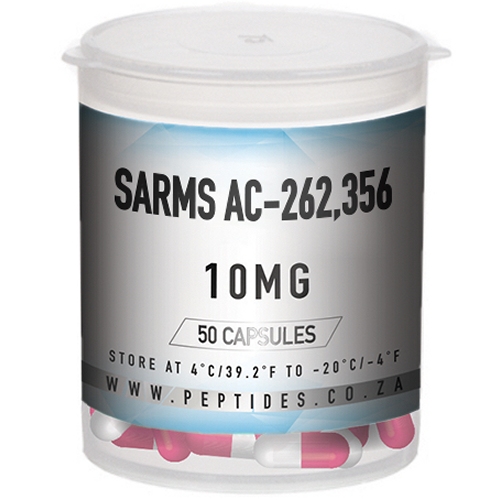
SARMS ACP 262,356 – 10MG
R2090,00 -Excl. VATLeave testosterone levels unsuppressed. Increase in muscle mass and bone strengthening. Enhancing muscle mass, definition, and strength. Improve… -
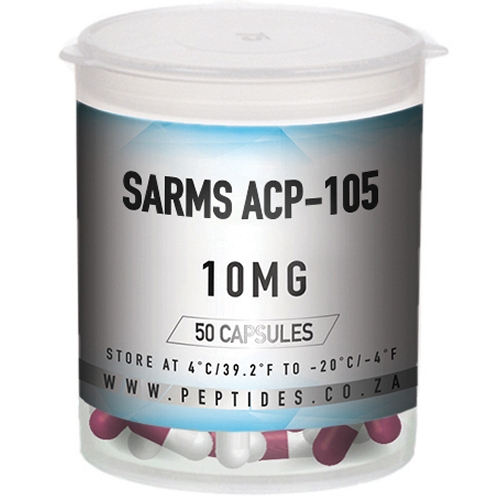
SARMS ACP-105 – 10MG
R3040,00 -Excl. VATBurns Stubborn Fat. Prevents muscle wasting and builds lean muscle. Recovery from injury and exhaustion. Energy and stamina… -
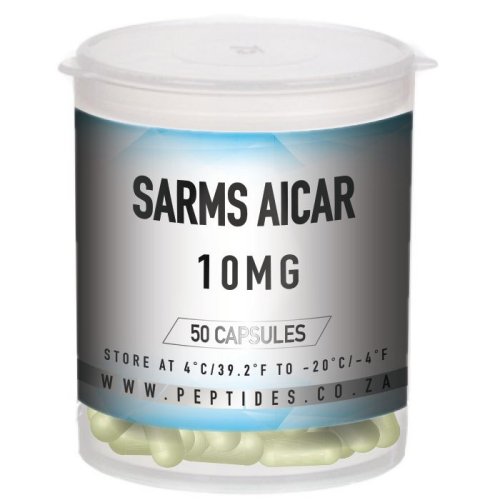
SARMS AICAR 10MG-30MG
Price range: R900,00 through R2700,00 -Excl. VATIncreased endurance. Increased fat burning. Acceleration of metabolism. Supports muscle tone -
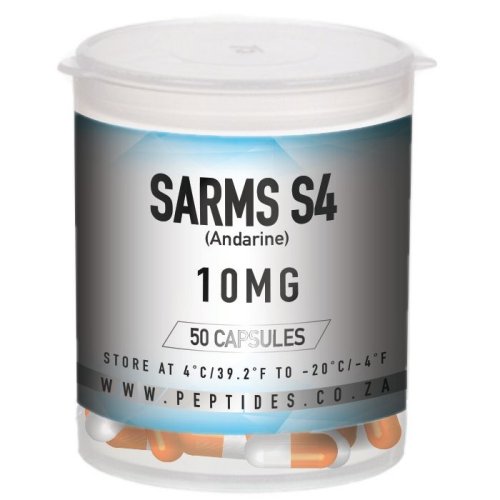
SARMS Andarine 10MG-30MG – 20 mg
Price range: R480,00 through R600,00 -Excl. VATStrength and muscle gain. Modest fat loss. Bone density -
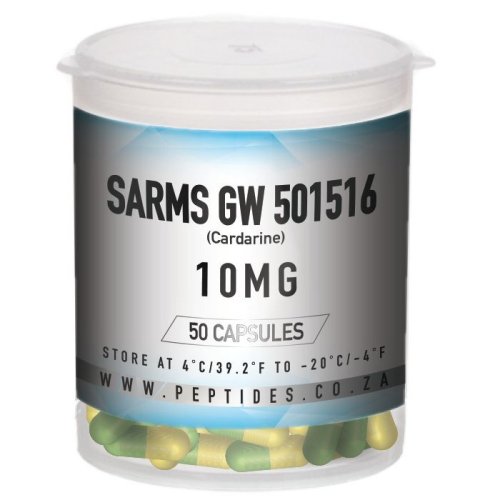
SARMS Cardarine 10MG-50MG – 20 mg
Price range: R500,00 through R1000,00 -Excl. VATImprove performance. Shed fat while maintaining muscle -
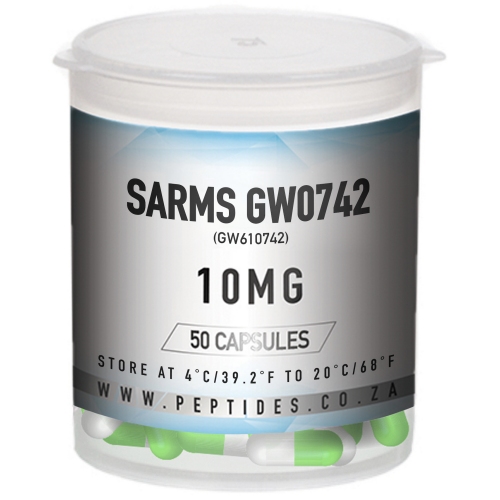
SARMS GW0742 10-20MG
Price range: R990,00 through R1980,00 -Excl. VATEnergy increase. Prevent muscle loss. Muscle oxidative capacity. Fat burning. Reduced total cholesterol. Anti-inflammatory actions -
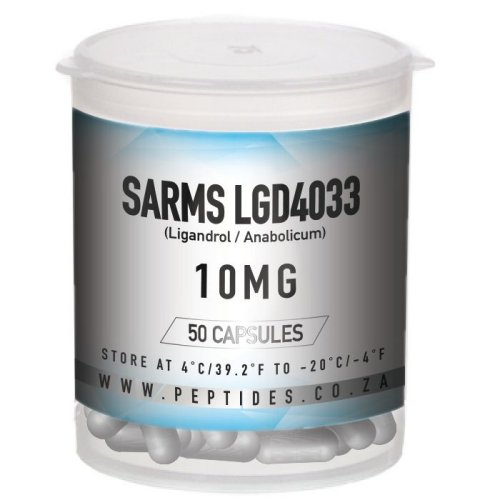
SARMS LGD-4033 10MG-30MG
Price range: R550,00 through R1150,00 -Excl. VATSignificant increase in lean body mass. Increases bone density. Muscle mass, and sex drive, without damaging prostate or… -
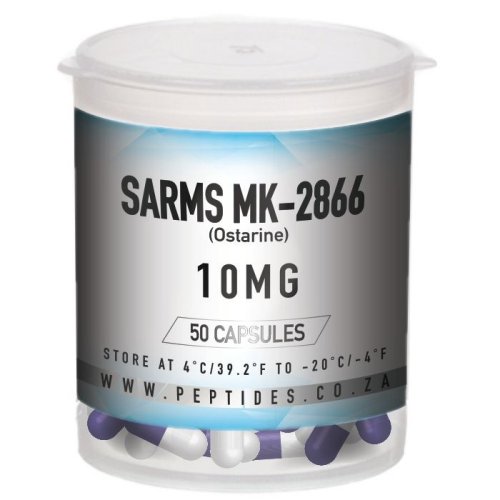
SARMS MK-2866 10MG-50MG
Price range: R500,00 through R900,00 -Excl. VATVery effective at building muscle. Fat loss with little exercise or diet changes -
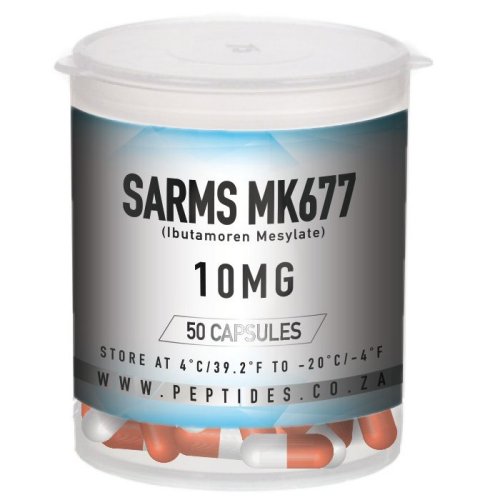
SARMS MK-677 10MG-30MG
Price range: R750,00 through R2100,00 -Excl. VATIncreases in fat free mass. Enhanced sleep quality. A treatment for obesity and fat loss. Lowering of bad… -
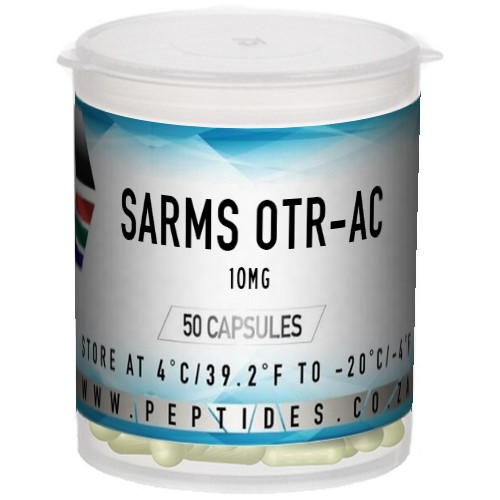
SARMS OTR-AC – 10MG
R800,00 -Excl. VATIncreases muscle mass and strength. Reduces body fat. Improves bone health. Lowers cholesterol levels. Improves blood sugar levels.… -
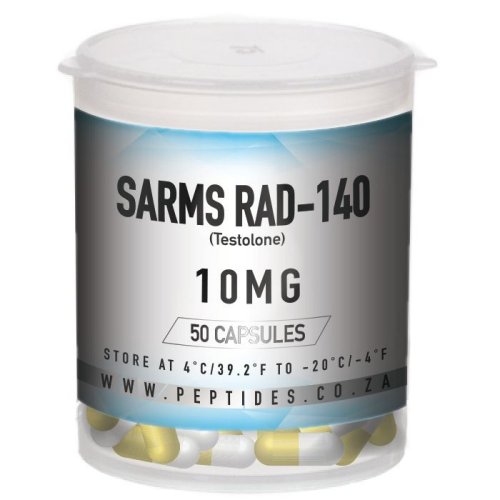
SARMS RAD-140 10-20MG
Price range: R900,00 through R1800,00 -Excl. VATEnhanced speed, stamina and endurance when doing high intensity workouts. Rapid buildup of muscular tissues. Studies have also… -
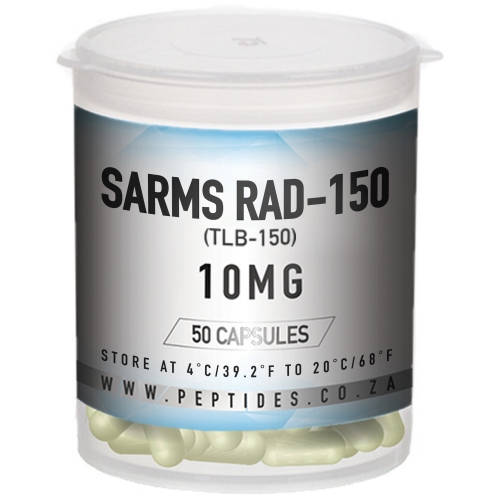
SARMS RAD-150 10-20MG
Price range: R990,00 through R1980,00 -Excl. VATImproved Sports Performance. Increased Muscle Mass. Increased Fat Burning. Improved Recovery from Exercise. May Increase Libido -
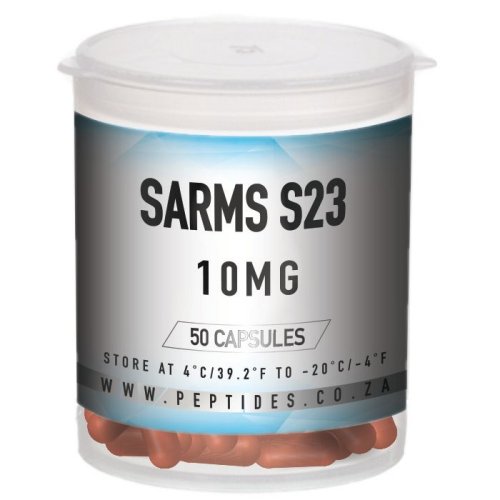
SARMS S23 10MG-30MG
Price range: R550,00 through R1300,00 -Excl. VATBuild lean muscle mass. Increase strength and stamina during high intensity workouts. Increase fat loss. Minimal water retention.… -
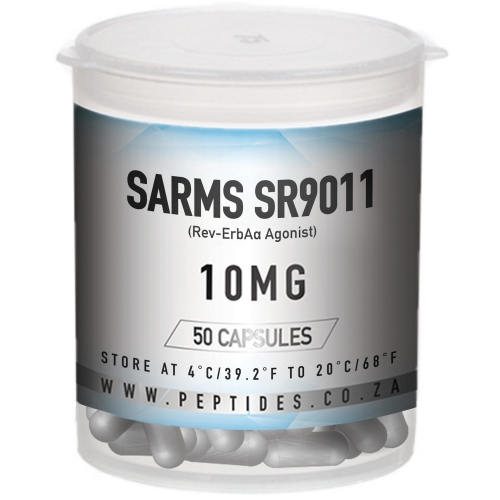
SARMS SR-9011 10-20MG
R1260,00 -Excl. VATDevelop new lean muscle tissue very quickly. Reduce the amount of fat stored within the body. Reduce fatty… -
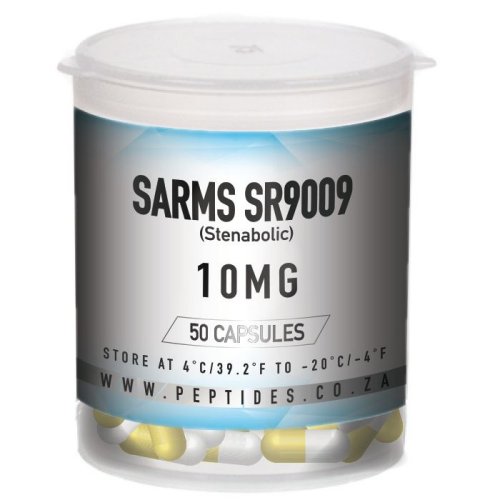
SARMS SR9009 10MG-30MG
Price range: R820,00 through R2200,00 -Excl. VATIncrease in endurance and strength levels. Faster burning of fat. Treatment of sarcopenia. Treatment of obesity -
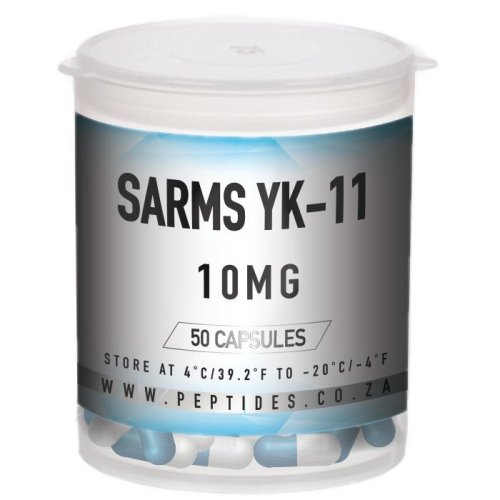
SARMS YK-11 10-20MG
Price range: R1050,00 through R2100,00 -Excl. VATWith the muscle growth potential it brings, is as effective as anabolic steroids and prohormones without the unwanted…