Peptide Capsules
Peptide Capsules which contain amino acids represent a remarkable phenomenon in the universe. Their emergence on Earth approximately 3.5 billion years ago marked the beginning of life and the process of evolution. Amino acids play a pivotal role in all cellular metabolic activities. To date, scientists have identified over 500 amino acids in nature; however, only 20 are involved in DNA translation or the synthesis of human proteins. In addition to their essential function in the formation of proteins and enzymes, amino acids serve numerous other biologically significant roles. As elaborated in this chapter, amino acids can be efficiently metabolized into sugars and fatty acids, contributing to the production of NADH and ATP, which are vital energy molecules.
Amino acids and peptides are absorbed in the small intestine through distinct mechanisms. The most compelling evidence supporting the existence of a unique transport mechanism for small peptides is observed in the amino acid transport disorders known as Hartnup disease and cystinuria. In these conditions, the affected amino acids exhibit poor absorption when presented in their free form, whereas their absorption is normal when they are provided as small peptides. Moreover, there is no competition for intestinal absorption between amino acids and small peptides. When comparing them based on equivalent amino acid composition, small peptides are absorbed more effectively than free amino acids. Additionally, the maximum capacity for absorbing free amino acids versus small peptides varies along the length of the small intestine. These observations clearly demonstrate that the processes of amino acid absorption and peptide absorption are fundamentally distinct.
Storage Recommendation
Peptide capsules should be stored in the refrigerator (at temperatures ranging from 4 to 20 degrees Celsius) instead of the freezer. They may also be kept in a cool, dark, and dry place, away from direct sunlight
NOTICE: PLEASE PROCURE THESE ITEMS ONLY IF YOU PLAN TO USE THE PRODUCT IMMEDIATELY AFTER DELIVERY. THE USUAL EXPIRATION TIMEFRAME FOR THIS ITEM IS BETWEEN 3 TO 6 MONTHS, FROM DATE OF PURCHASE.
Showing all 16 results
-
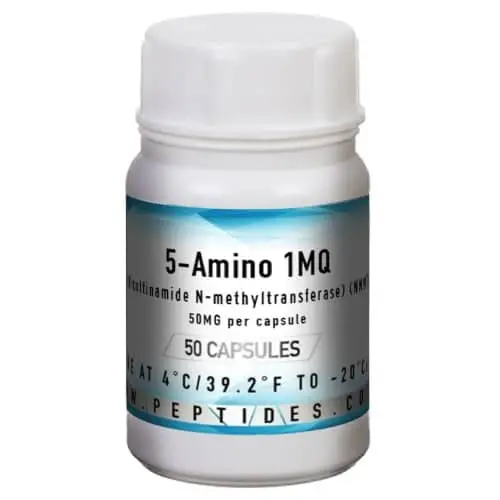
5-Amino 1MQ Peptide Supplement Capsules – 50MG per capsule
R4000,00 -Excl. VATReverse diet-induced obesity. Treat related metabolic conditions. Increase cellular energy regulators. Prevent lipogenesis (fat accumulation). Increase NAD+and SAM… -
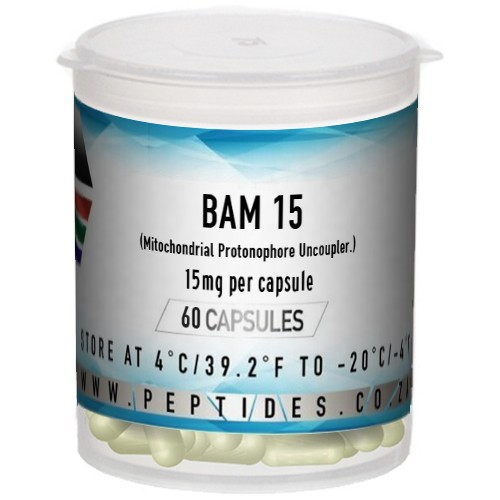
BAM15 Peptide Supplement Capsules – 15mg per capsule
R1400,00 -Excl. VATAids Obesity and metabolic disorders, kidney disease, potentially cancer recovery, sepsis, neurodegeneration, vascular health, and immune functions -
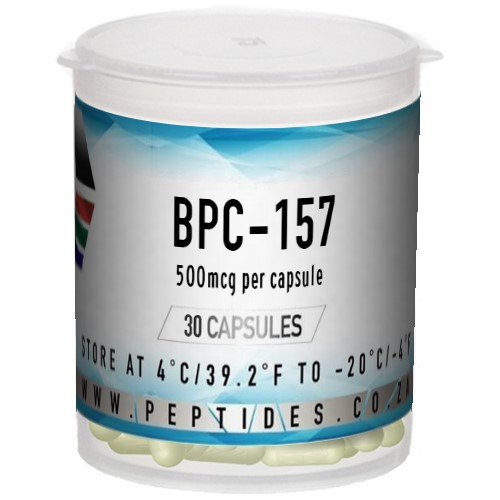
BPC-157 Peptide Supplement Capsules – 30 Capsules
R900,00 -Excl. VATSuper fast joint, tendon, ligament healing. Heal wounds in internal organs, muscles, ligaments, tendons, skin, internal lacerations from… -
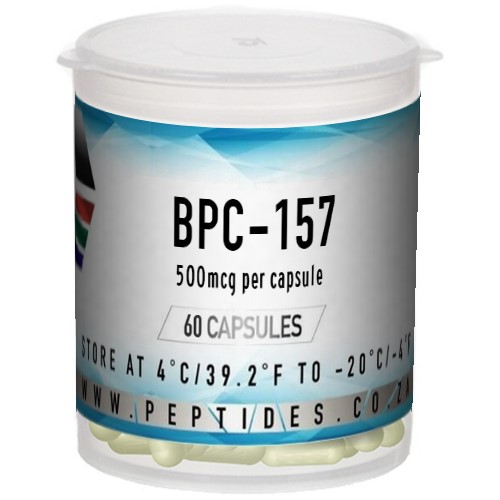
BPC-157 Peptide Supplement Capsules – 60 Capsules
R1650,00 -Excl. VATSuper fast joint, tendon, ligament healing. Heal wounds in internal organs, muscles, ligaments, tendons, skin, internal lacerations from… -
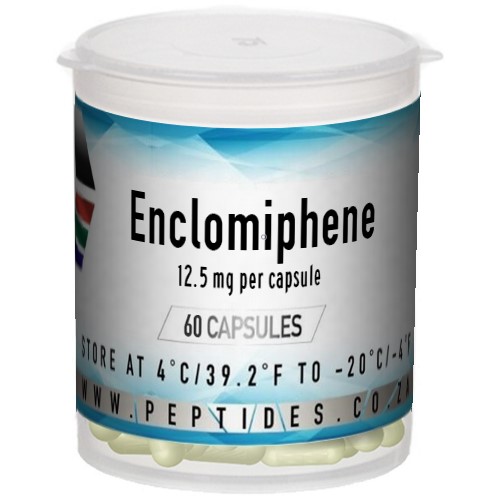
Enclomiphene Peptide Supplement Capsules – 60 Capsules
R1250,00 -Excl. VATBoosting Testosterone Levels, Treatment for Male Infertility, Enhanced Athletic Performance, Addressing Metabolic Syndrome -
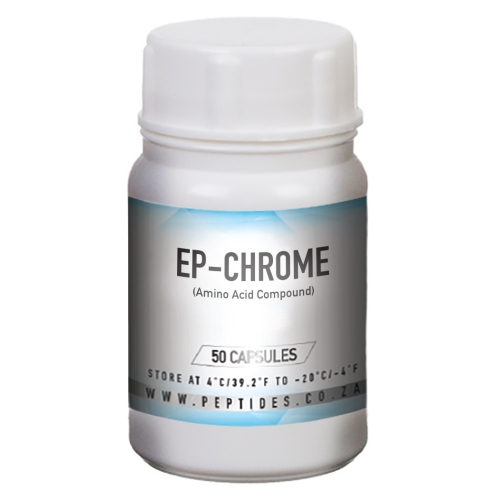
EP-Chrome Fadeaway Weight Loss
R820,00 -Excl. VATExtreme Weight Loss. Amino Acid Tablet Formulation with : Ephadrine HCL, Caffeine Anhydrous, White Willow Bark,Chromium Pinolinate, Vitamin… -
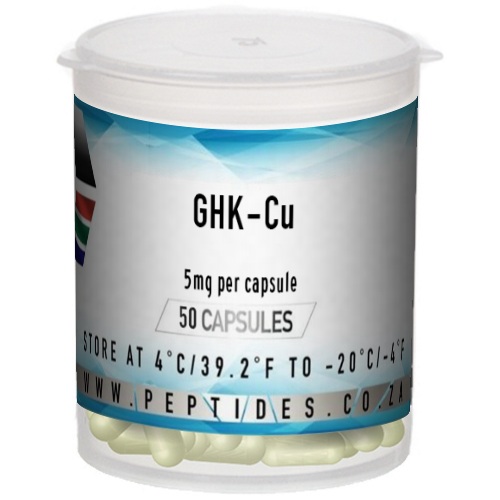
GHK-cu Peptide Supplement Capsules – 5mg per capsule
R1200,00 -Excl. VATWound healing and antiaging skin care ++. Antioxidant and Anti-Inflammatory Properties. Stimulates Blood Vessel Growth. Increases Neurotrophins. Gene… -
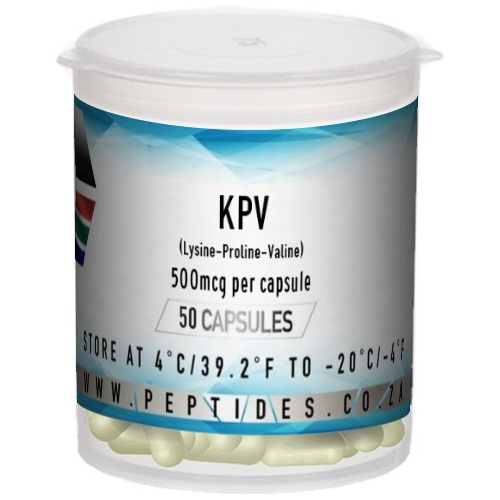
KPV Peptide Supplement Capsules – 500mcg per capsule
R1300,00 -Excl. VATHealing wounds & injuries. Treat a wide variety of inflammatory conditions. Acts as an anti-microbial. Strengthen the immune… -
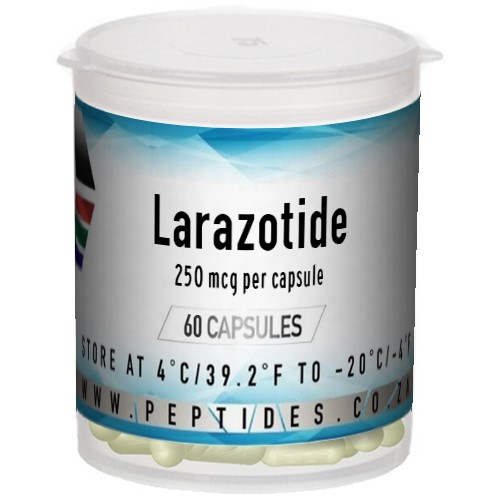
Larazotide Peptide Supplement Capsules – 60 Capsules
R2480,00 -Excl. VATAssists with Celiac Disease (CeD) and Inflammatory Bowel Disease (IBD) -
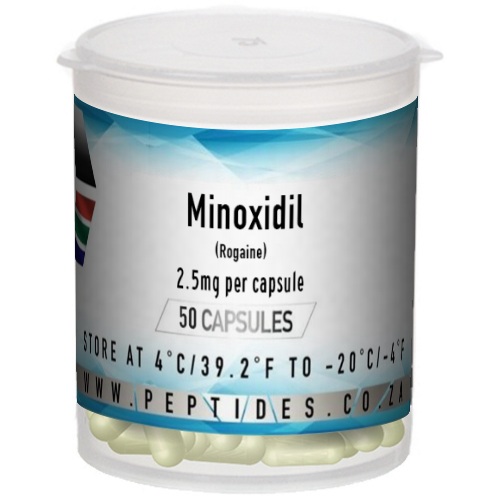
Minoxidil Peptide Supplement Capsules – 2.5mg per capsule
R700,00 -Excl. VATIncreases hair density. Boosts hair growth -
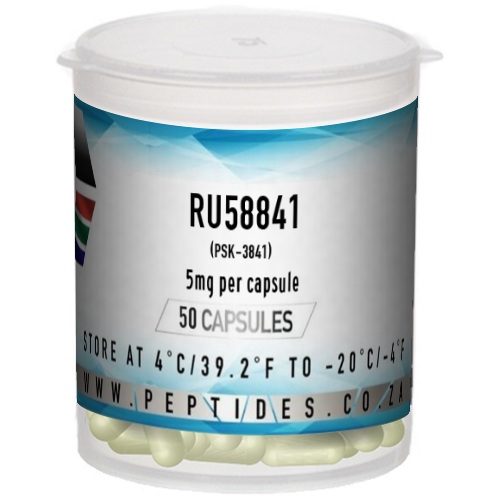
RU58841 Peptide Supplement Capsules – 5mg per capsule
R800,00 -Excl. VATInhibits the hair-thinning effects of DHT (dihydrotestosterone). It increases the percentage of hair growth in the anagen phase.… -
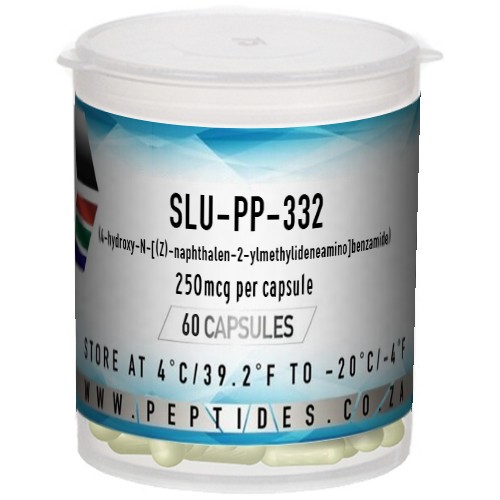
SLU-PP-332 Peptide Supplement Capsules – 250mcg per capsule
R1550,00 -Excl. VATStimulates mitochondrial biogenesis, boosting cellular energy production. Enhances energy expenditure, fatty acid oxidation and insulin sensitivity. SLU-PP-332 may… -
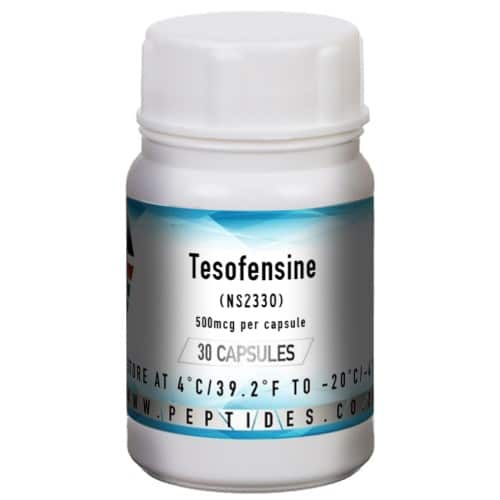
Tesofensine Peptide Supplement Capsules – 500mcg per capsule
R1000,00 -Excl. VATReduce body fat and weight loss. Improved libido. Better sleep quality. Appetite suppression. Improved cognitive function. Improved memory.… -
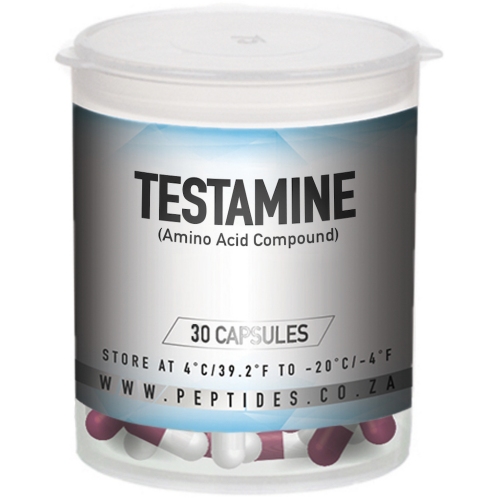
Testamine – Testosterone booster
R500,00 -Excl. VATTestosterone booster, Libido aid. Amino Acid Tablet Formulation with : Vitamin B6, Magnesium Oxide, Tribulus Terrestris, Zinc Gluconate. -
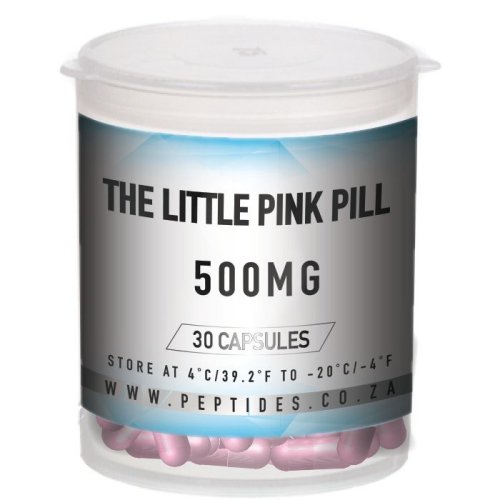
The Little Pink Pill Weight loss and appetite suppressant
R600,00 -Excl. VATAppetite Suppressant and Weight loss. Combats obesity. Fat burner. Thyroid repair. Reduce appetite. Increase metabolism. Amino Acid Tablet… -
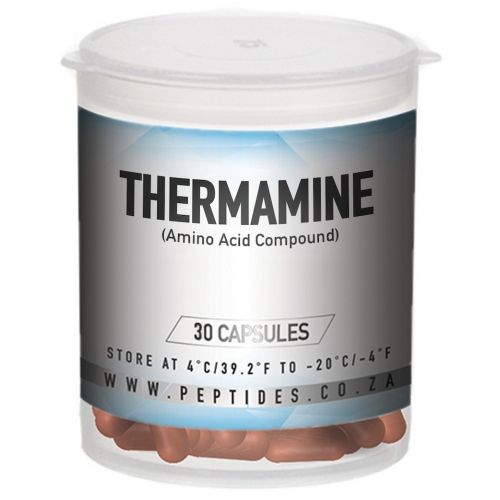
Thermamine Thermal fat burner
R650,00 -Excl. VATCombats obesity. Thermogenic day and night fat burner. Reduce appetite. Increase metabolism. Amino Acid Tablet Formulation with : Caffeine,…